
Founded in Oslo by fourth-generation shoemaker Martin Evensen, New Movements combines a long family history of traditional craftsmanship with a contemporary approach to footwear design, placing material innovation and circularity at the centre of its development.
The story of New Movements begins long before the brand itself was established. In 1916, Johnny Evensen began working as a shoemaker, laying the foundations for a family tradition that would continue through four generations. More than a century later, his great-grandson Martin Evensen has taken that heritage in a new direction, establishing New Movements in Oslo with a contemporary approach to footwear design that combines traditional craftsmanship with an interest in material innovation and circular production.
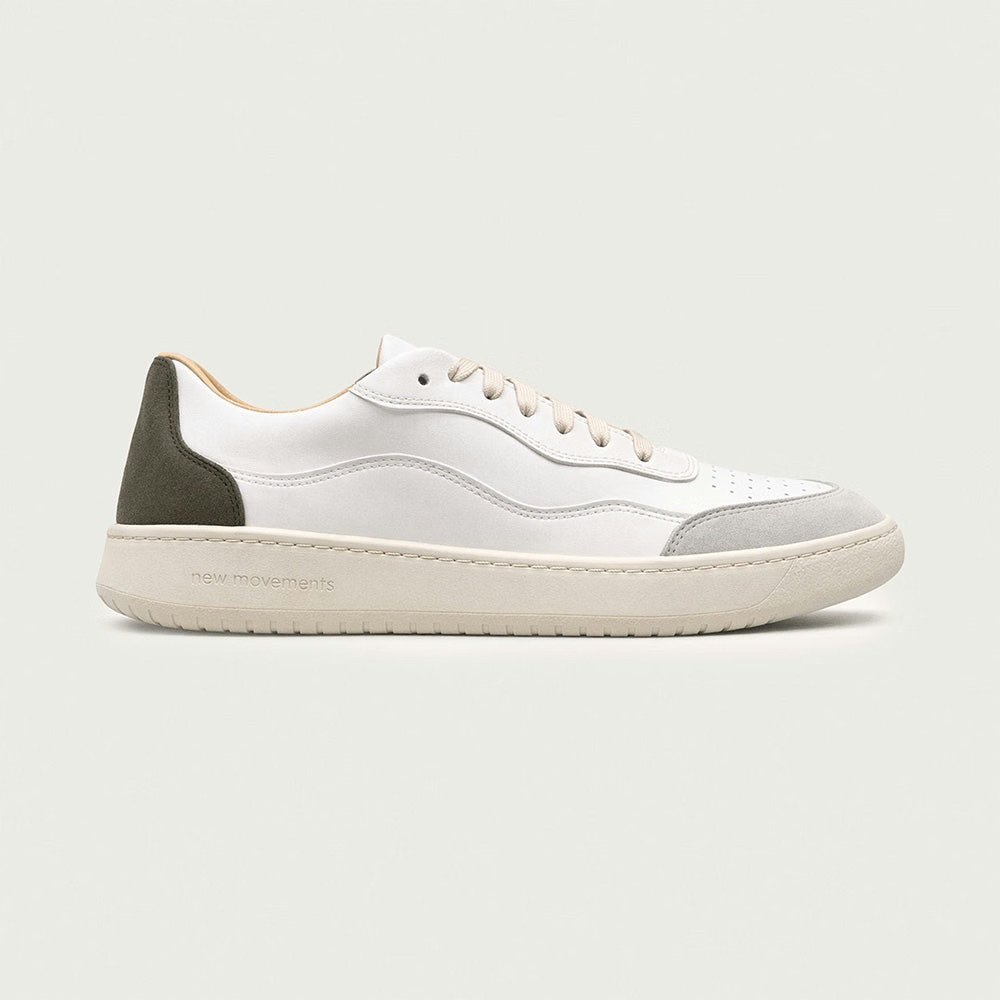
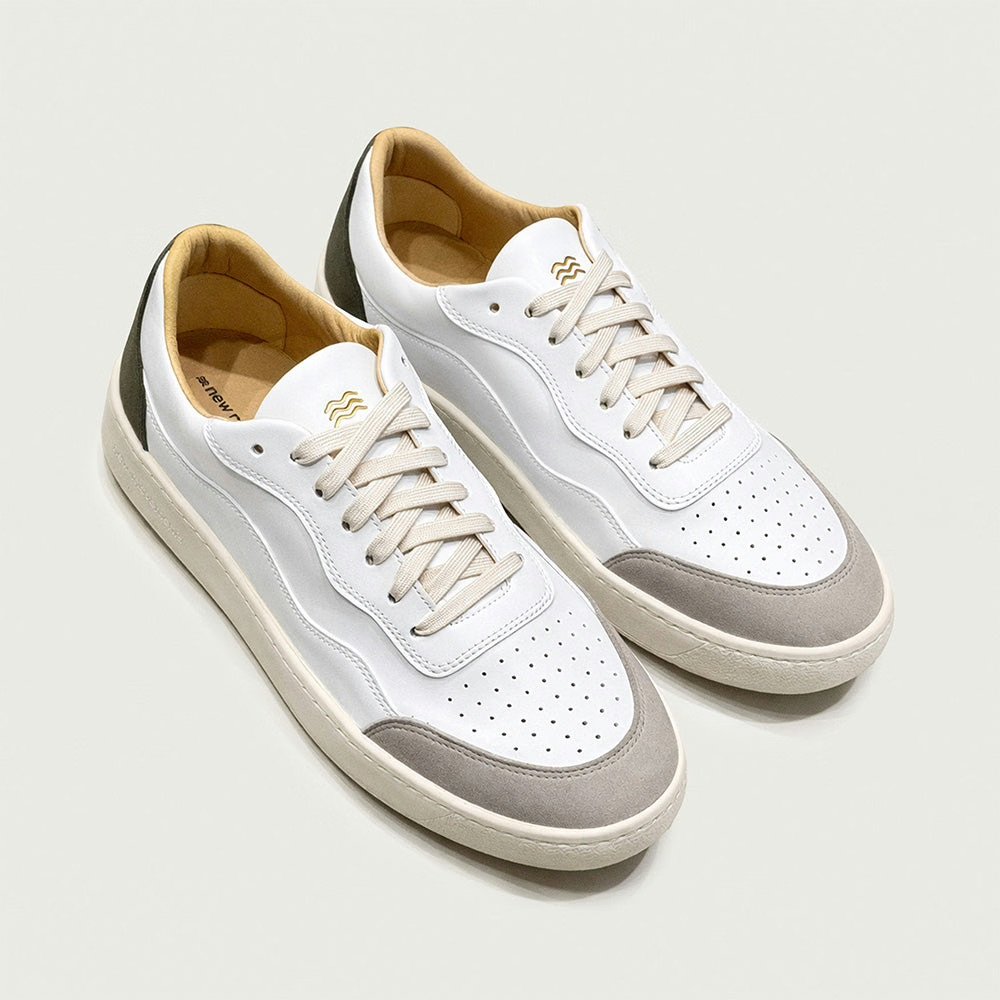
Founded in 2017, the Norwegian footwear brand has developed a collection of sneakers, loafers and boots, designed in Oslo and manufactured in Portugal and Spain. Many of the brand's designs take a unisex approach, with familiar footwear silhouettes distinguished by understated detailing and New Movements' signature wavy double stitching. Rather than replacing entire collections each season, the company has focused on refining existing models and gradually introducing new designs.


Central to New Movements is the idea of circular design. Conventional footwear often combines numerous materials, adhesives and components that are difficult to separate and recycle. New Movements is working to address this through its choice of materials, construction methods and a recycling programme that allows customers to return worn-out shoes. The company offers a discount on a subsequent purchase as an incentive to participate, although achieving fully circular footwear remains an ongoing ambition rather than a completed process.
The brand's interest in material innovation has also led to a research collaboration with Norwegian institute SINTEF, exploring the development of locally 3D-printed footwear. The project investigates the possibility of producing shoes from a single recyclable material, tailored to individual feet and manufactured without conventional stitching or adhesives. It represents a potential development beyond the brand's existing collections, connecting traditional shoemaking knowledge with new production technologies.
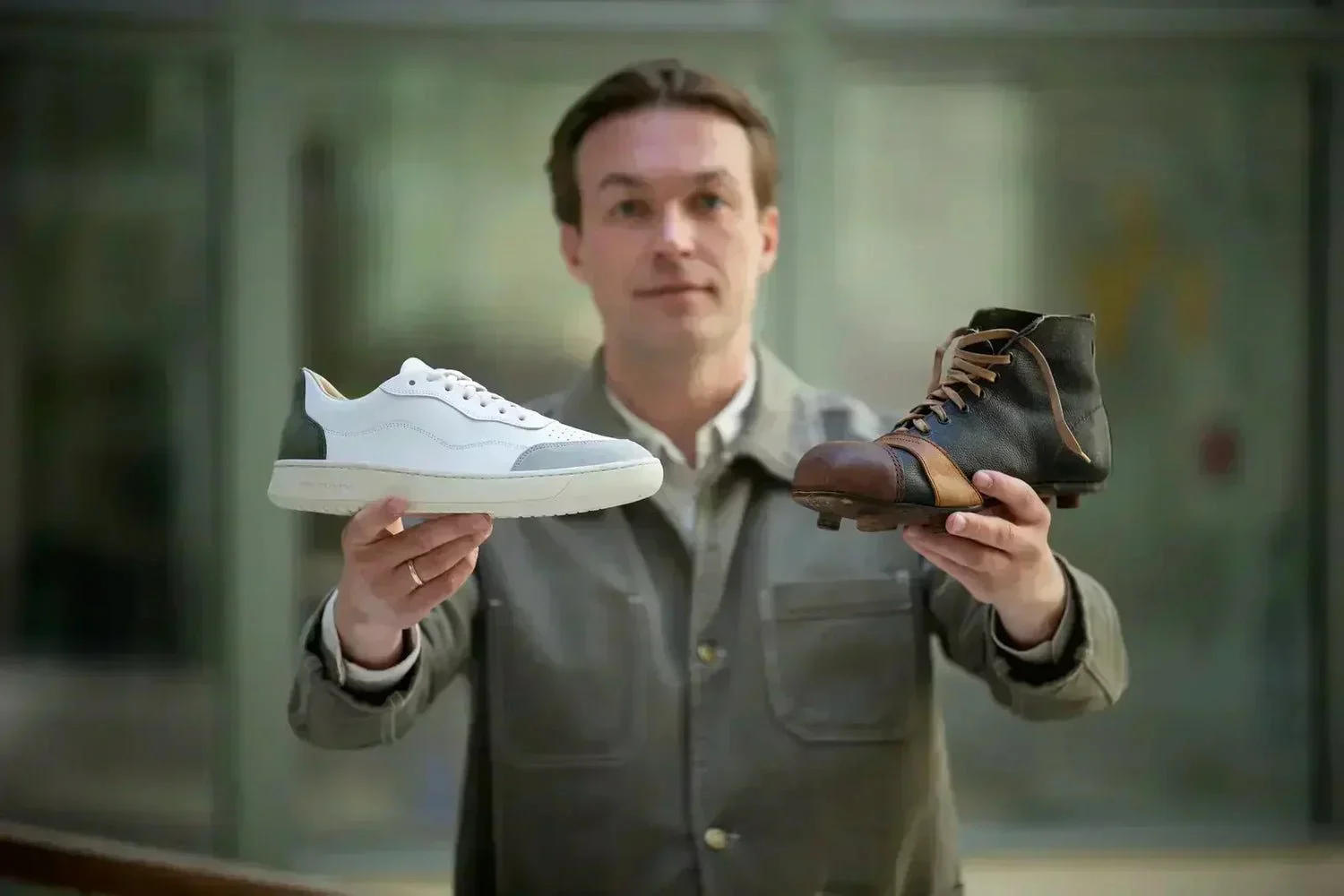
Today, New Movements operates its flagship store at Steen & Strøm in central Oslo, where the collection reflects the brand's continued development from its original sneakers into a broader footwear offering. With its roots in a century-old family trade, New Movements is an interesting example of how established craftsmanship can inform new approaches to product design and manufacturing.