
Photography © Bird.
There was a time when experiencing music outside the home meant committing to the chaos of a packed concert or the deafening of a nightclub. with bonus tinnitus. Luckily, a more quiet revolution is happening globally — The rise of the listening bar.
The blueprint belongs to Japan’s post-war ‘Jazz Kissas’ — so called listening cafés that emerged when imported Western jazz records were prohibitively expensive luxury items. These intimate cafés offered a democratic gateway to rare music, played over bespoke, cavernous sound systems that patrons could never dream of replicating at home.
Decades later, this analog hi-fi ritual is experiencing a bit of a global renaissance. While the concept has already found firm footing in metropolitan hubs like New York and London, the Scandinavian capitals have also begun carving out their own interpretations. Some spaces still honor the hushed, near-religious reverence of the traditional Japanese listening room, while others combine vintage vinyl with natural wines, seasonal small plates, and late-night DJ sets. Or what about vinyls with a slice of NYC pizza on the side?
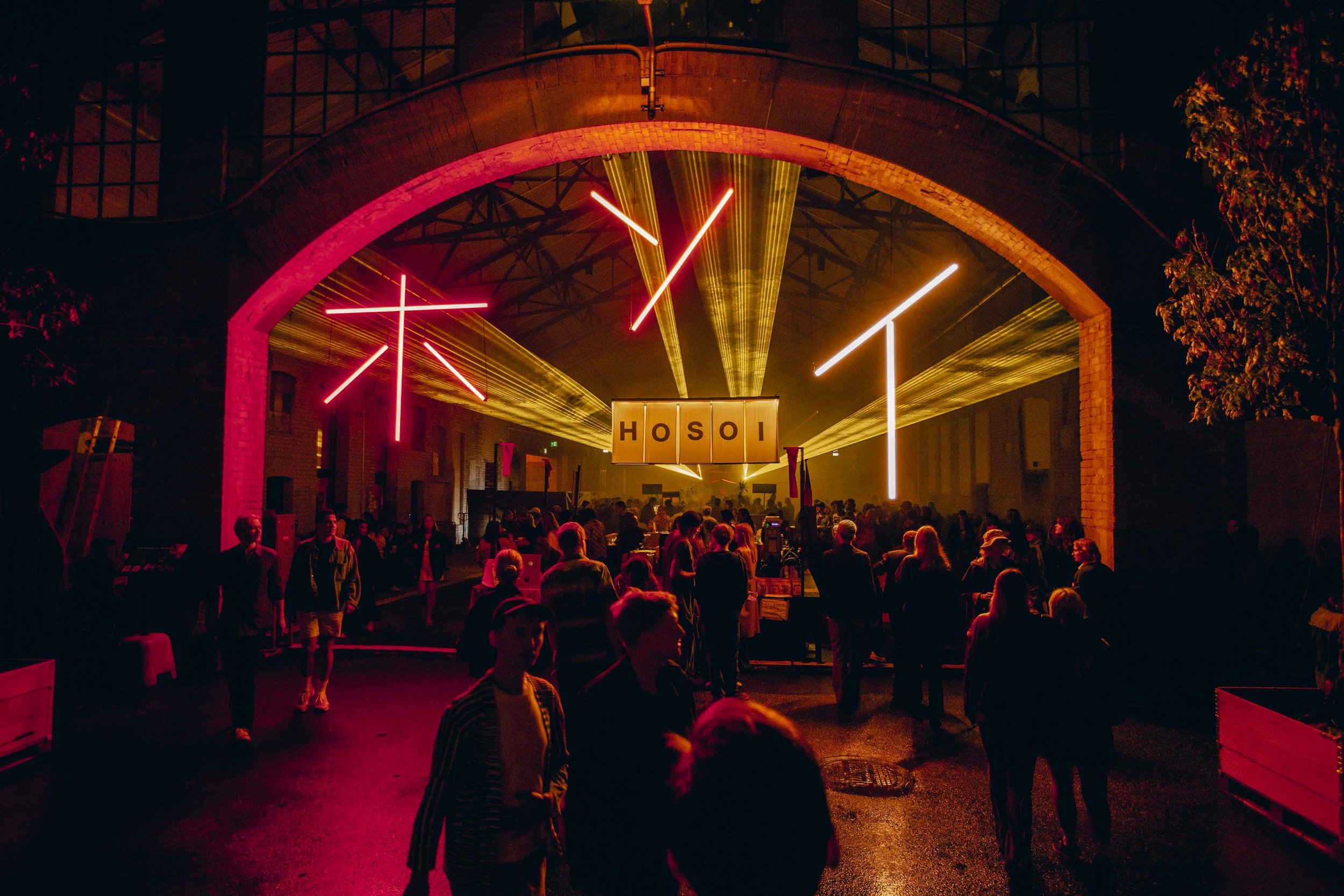
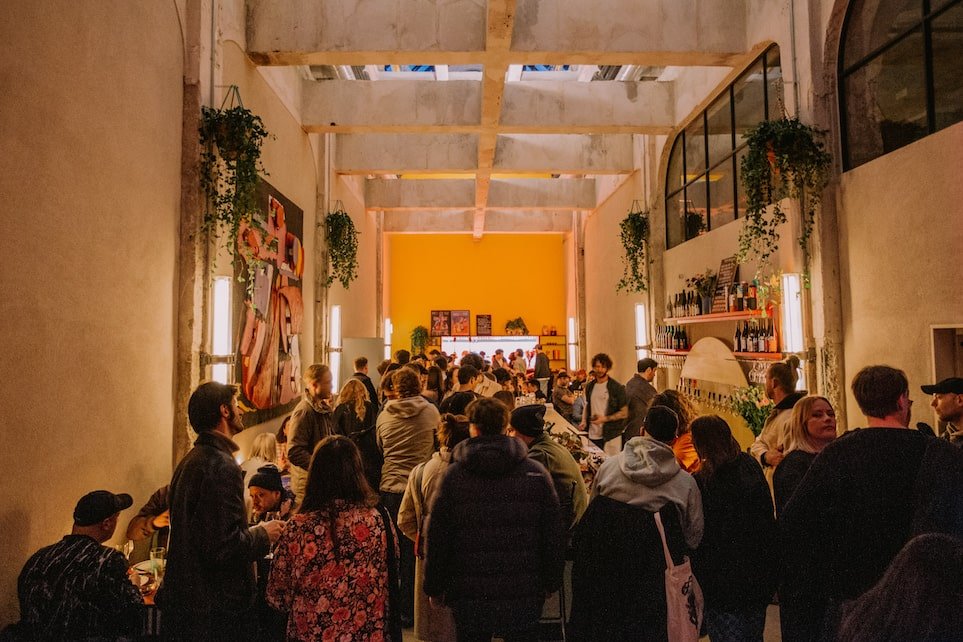
Hosoi is Stockholm’s answer to this movement. Located in the raw, industrial landscape of Slakthusområdet, the city's historic meatpacking district, this independent spot gets the balance right between high-fidelity purism and a welcoming neighbourhood bar. The main space feels like a stripped-back, cozy living room with pale wood accents and low lighting. But if you are looking for that traditional, distraction-free jazz kissa experience, look for a secret door marked "Städ" (cleaning closet). It leads into a hidden room with a strict no-photo policy, built purely for sitting back and listening to records without digital distractions.
The heart of the venue is a custom sound system designed by Tokyo’s Kenji Hosoi, which pairs Japanese horn speakers with Scandinavian amplification to create an incredibly warm, clear sound. The music never feels like an afterthought; instead, international guests and local selectors spin everything from Swedish jazz and ambient to deep techno and Brazilian samba. The food and drink lineup is just as meticulous. Instead of standard bar snacks, the kitchen serves an Eastern-Nordic inspired menu of seasonal small plates, like fresh oysters and yellow beetroot, alongside a solid selection of natural wines and craft beers. Whether you are hiding inside during the winter or drinking on the terrace during the annual block-party style Hosoi Festival, it is a brilliant blueprint for how the listening bar concept translates to Scandinavia.
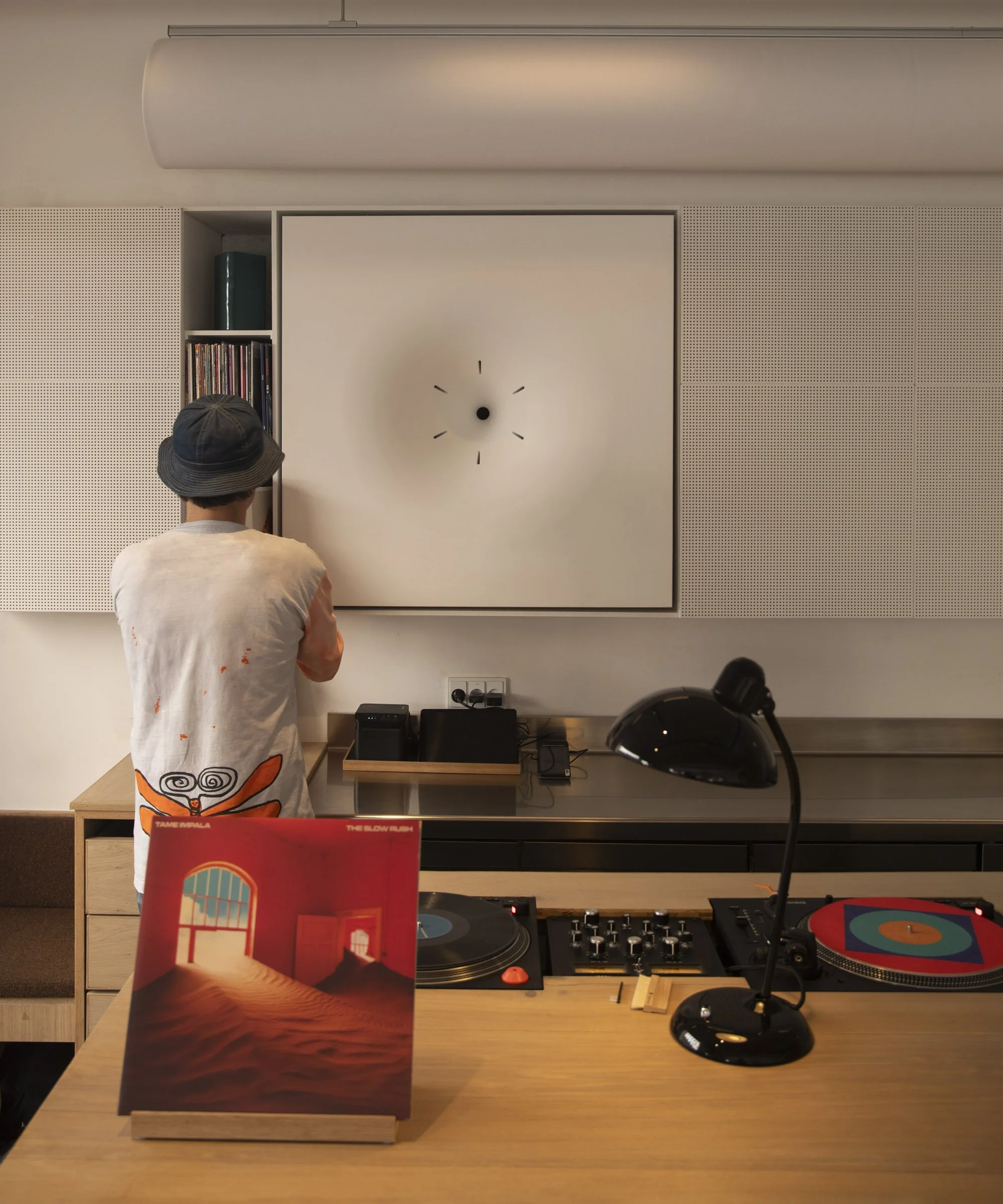
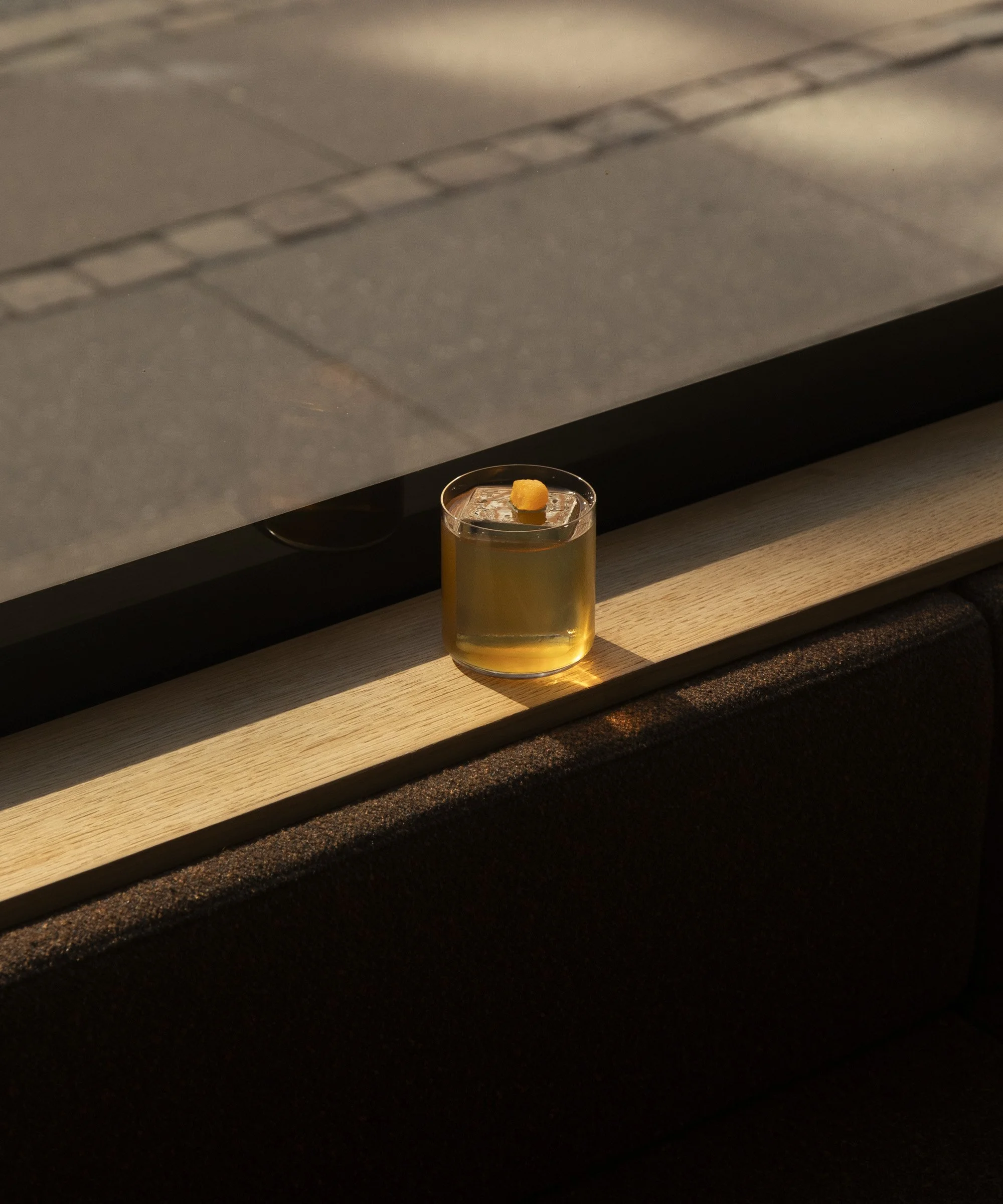
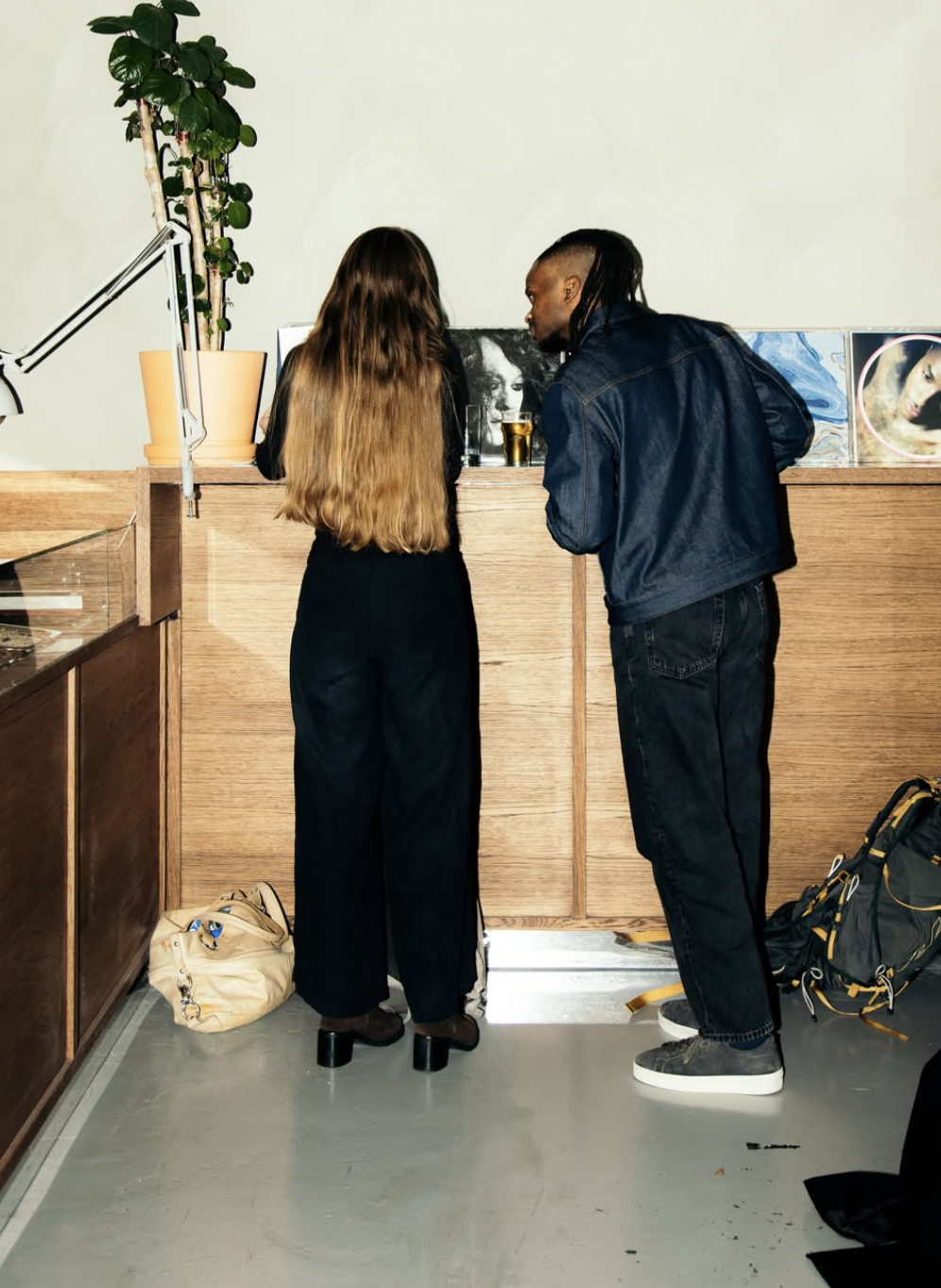
Bird is Copenhagen’s noteworthy take on the trend. With two locations, the intimate, original spot in Frederiksberg and a newer space downtown, famously described by its regulars as a vinyl bar that just happens to serve world-class cocktails. The aesthetic is distinctly Danish: stripped-back, washed wood tables, large windows, and clean white walls framed by custom shelving stacked with records. It avoids any stuffy or hyper-serious listening room rules, opting instead for a warm, neighborhood bar energy where the bartenders seamlessly double as selectors, spinning records directly from behind the counter.
The audio experience relies on a custom-built, hand-assembled sound system paired with classic Technics 1210 turntables. Jazz is the core focus here, but the rotation easily moves into 1970s funk, soul, and global rarities, all played with crisp, acoustic clarity that encourages conversation. The drink menu follows a unique, highly precise approach: the bartenders rarely use fresh citrus or added sugar. Instead, they pre-batch and bottle their cocktails, ranging from crisp, bay leaf-infused martinis to a smoky Bonfire Manhattan, using local ingredients like sea buckthorn vermouth. This method keeps the pours consistent and eliminates the constant, loud rattling of cocktail shakers, ensuring the music stays clean.We would go as far as to say that Bird is a masterclass in how to combine Japanese hi-fi culture with that effortless cool Scandinavian hospitality.
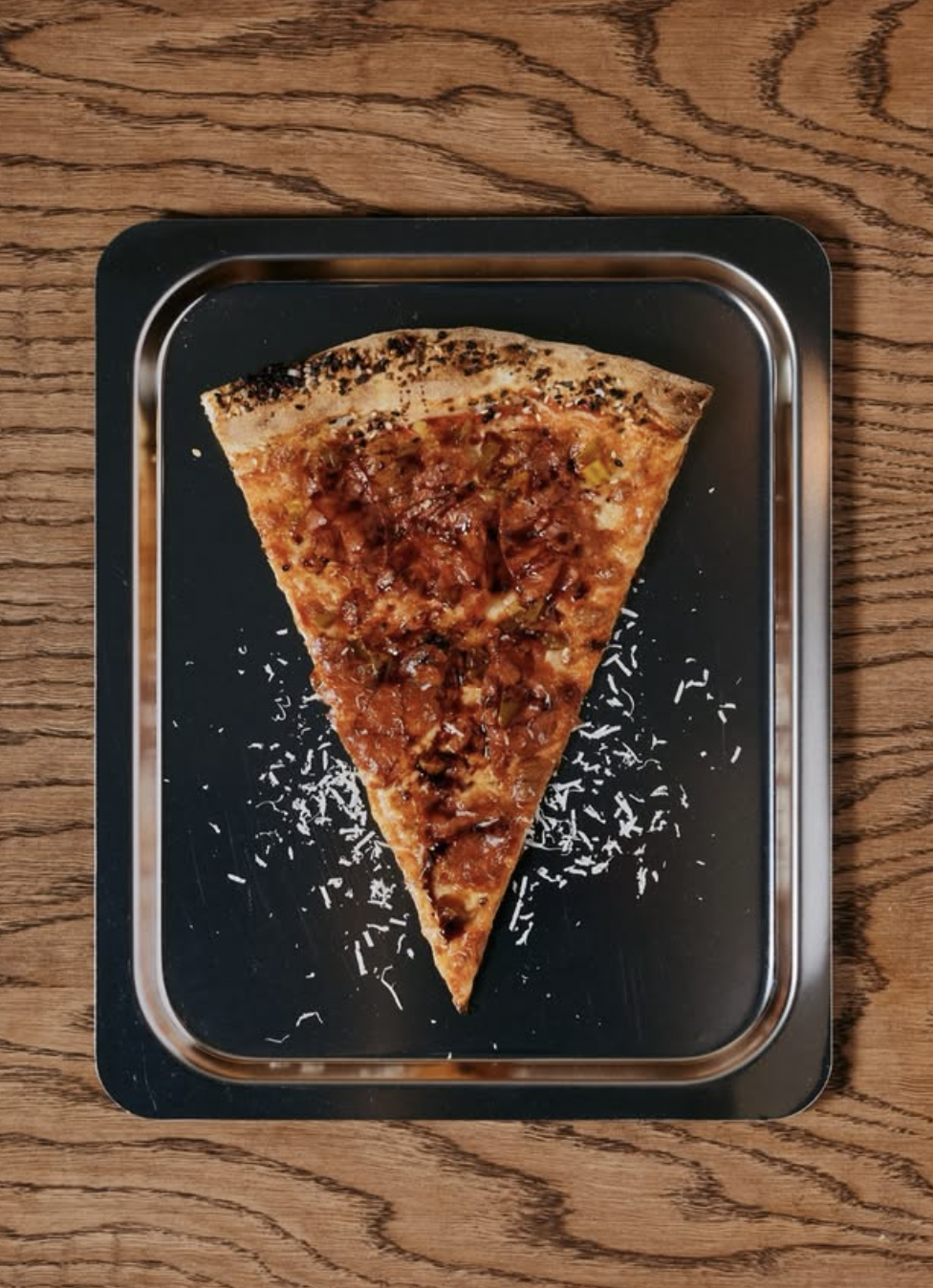
Kissa in Oslo is built on an inherent contradiction. On paper, combining a chaotic, late-night New York-style slice shop with the near-religious silence of a Japanese listening lounge shouldn't work, but at Torggata 35, it kinda does. Founded by fashion and design veterans Dien Nguyen and Jonas Skavang after a research trip to Tokyo, the space strips away the typical elitist gates of audiophile culture. Local journalists note that stepping inside on a weeknight can feel beautifully eerie; candlelit tables sit in a dim, concrete room while visitors eat pizza in a hush, completely locked into the music.
The anchor of the room is a striking, custom-made speaker wall running from floor to ceiling, hand-assembled by the owners alongside local audio engineers. Instead of pushing the sound into the background, the venue leans into its custom acoustics by hosting dedicated listening nights where curated albums—ranging from deep electronic textures to ambient synths—are played from start to finish. The food menu relies on crispy, zero-flop New York slices, starring favorites like a Caesar salad slice and the "Hot Date"—a pie topped with Ventriccina salami, pickled jalapeños, parmesan, and a drizzle of Middle Eastern date syrup. It is an unpretentious neighborhood spot where street food and high-fidelity sound get exactly the same respect.